
History
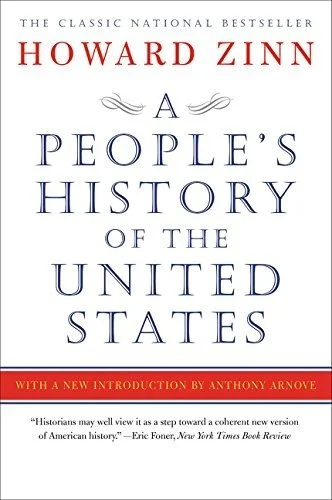
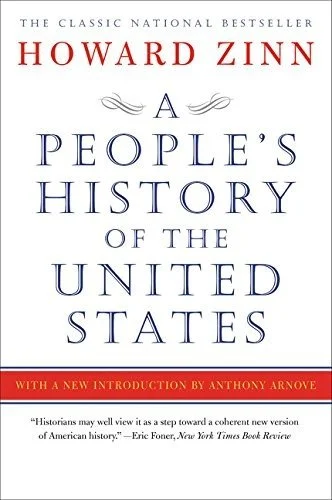
A People’s History of the United States
Howard ZinnAmerican history told from the ground up, through the eyes of workers, enslaved people, Indigenous nations, women and immigrants. A reminder that ordinary people organizing together have driven real change.

Caliban and the Witch
Silvia FedericiHow the rise of capitalism in Europe reshaped women’s bodies, labor and shared land, and why the witch hunts were part of it. Essential for understanding where unpaid care work comes from.
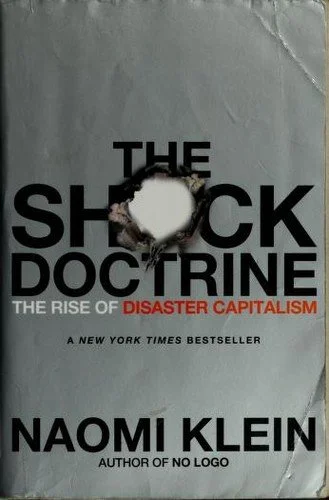
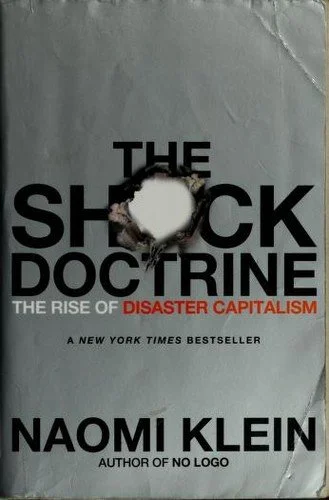
The Shock Doctrine
Naomi KleinHow disasters such as wars, storms and economic crashes have been used to push through policies most people would never accept in calmer times. Helps make sense of why crises so often leave communities worse off.
Theory & Education
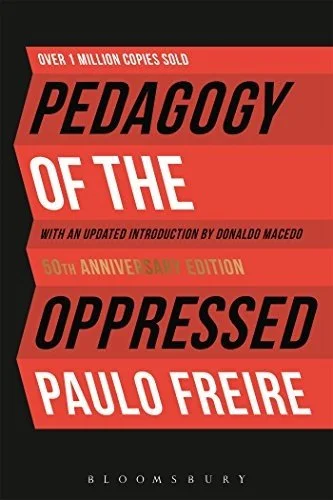
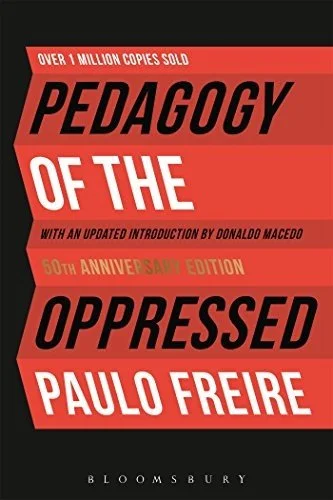
Pedagogy of the Oppressed
Paulo FreireFreire argues that real education is a two-way dialogue, not facts poured into empty heads, and that learning together is how people come to understand and change their circumstances.
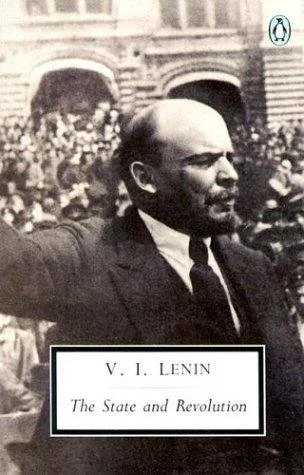
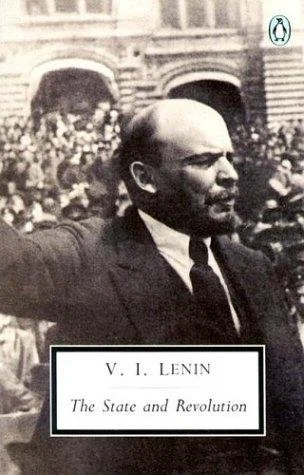
The State and Revolution
V. I. LeninLenin’s 1917 work on the state, class and what a transition beyond capitalism might look like. A foundational and much-debated text in political theory.
Community Care in Practice
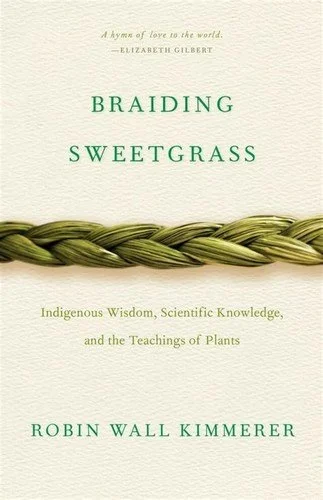
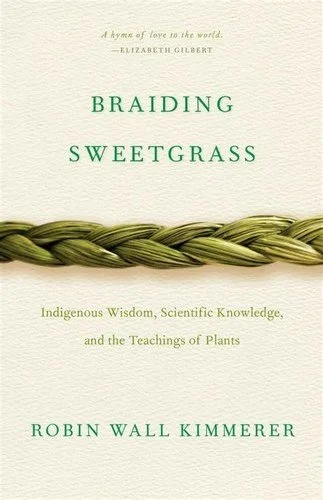
Braiding Sweetgrass
Robin Wall KimmererA botanist and member of the Citizen Potawatomi Nation weaves Indigenous knowledge and plant science into a vision of reciprocity with the land and with each other. Gentle, hopeful and healing.
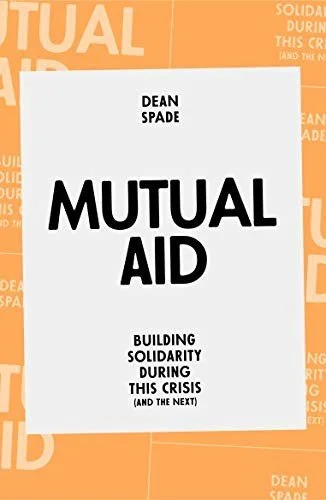
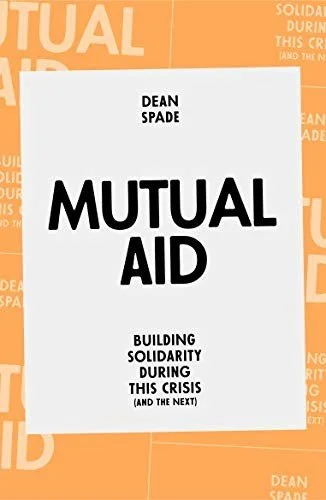
Mutual Aid
Dean SpadeA short, practical guide to starting and sustaining mutual aid groups: how to share resources, make decisions together and avoid burnout. A natural next step after browsing our Directory.
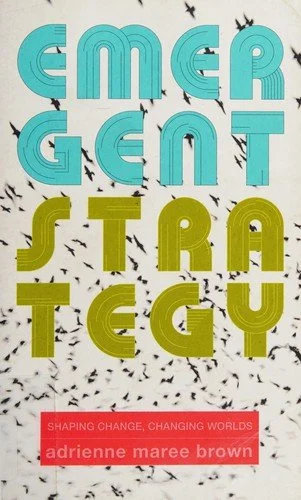
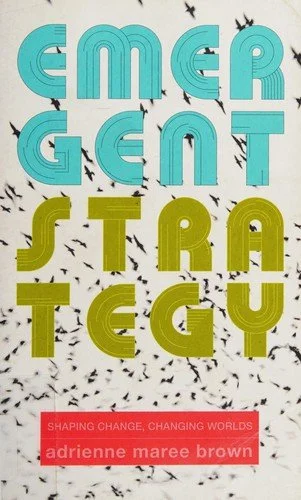
Emergent Strategy
adrienne maree brownLessons from nature on building resilient, adaptable communities and movements. For anyone who wants to create change without burning out.
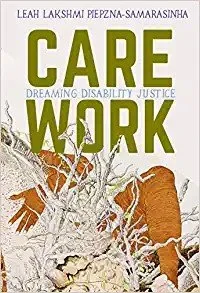
Care Work
Leah Lakshmi Piepzna-SamarasinhaEssays on disability justice and collective care: how communities can show up for each other when systems fall short.

The Full Reading List
History
A People’s History of the United States — Howard Zinn
American history told from the ground up, through the eyes of workers, enslaved people, Indigenous nations, women and immigrants. A reminder that ordinary people organizing together have driven real change.
Caliban and the Witch — Silvia Federici
How the rise of capitalism in Europe reshaped women’s bodies, labor and shared land, and why the witch hunts were part of it. Essential for understanding where unpaid care work comes from.
The Shock Doctrine — Naomi Klein
How disasters such as wars, storms and economic crashes have been used to push through policies most people would never accept in calmer times. Helps make sense of why crises so often leave communities worse off.
Theory & Education
Pedagogy of the Oppressed — Paulo Freire
Freire argues that real education is a two-way dialogue, not facts poured into empty heads, and that learning together is how people come to understand and change their circumstances.
The State and Revolution — V. I. Lenin
Lenin’s 1917 work on the state, class and what a transition beyond capitalism might look like. A foundational and much-debated text in political theory.
Community Care in Practice
Braiding Sweetgrass — Robin Wall Kimmerer
A botanist and member of the Citizen Potawatomi Nation weaves Indigenous knowledge and plant science into a vision of reciprocity with the land and with each other. Gentle, hopeful and healing.
Mutual Aid — Dean Spade
A short, practical guide to starting and sustaining mutual aid groups: how to share resources, make decisions together and avoid burnout. A natural next step after browsing our Directory.
Emergent Strategy — adrienne maree brown
Lessons from nature on building resilient, adaptable communities and movements. For anyone who wants to create change without burning out.
Care Work — Leah Lakshmi Piepzna-Samarasinha
Essays on disability justice and collective care: how communities can show up for each other when systems fall short.
The Full Reading List
History
A People’s History of the United States — Howard Zinn
American history told from the ground up, through the eyes of workers, enslaved people, Indigenous nations, women and immigrants. A reminder that ordinary people organizing together have driven real change.

Caliban and the Witch — Silvia Federici
How the rise of capitalism in Europe reshaped women’s bodies, labor and shared land, and why the witch hunts were part of it. Essential for understanding where unpaid care work comes from.
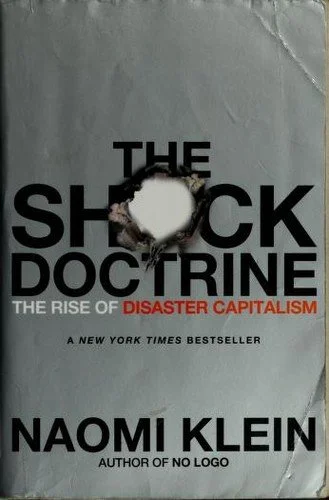
The Shock Doctrine — Naomi Klein
How disasters such as wars, storms and economic crashes have been used to push through policies most people would never accept in calmer times. Helps make sense of why crises so often leave communities worse off.
Theory & Education
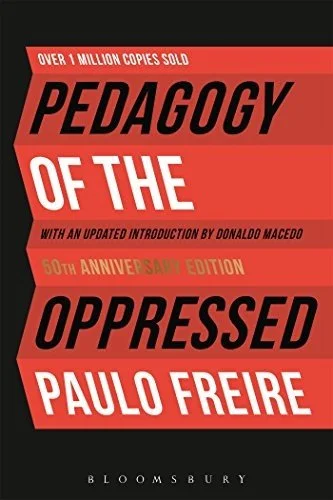
Pedagogy of the Oppressed — Paulo Freire
Freire argues that real education is a two-way dialogue, not facts poured into empty heads, and that learning together is how people come to understand and change their circumstances.
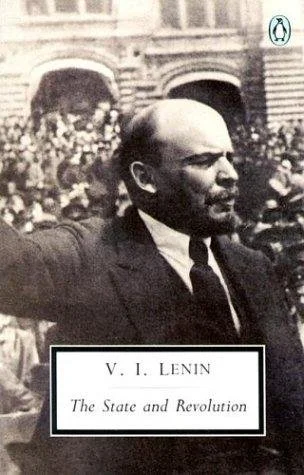
The State and Revolution — V. I. Lenin
Lenin’s 1917 work on the state, class and what a transition beyond capitalism might look like. A foundational and much-debated text in political theory.
Community Care in Practice
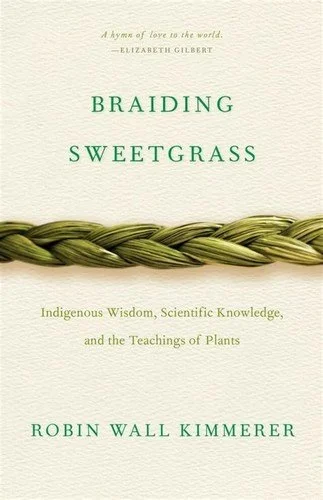
Braiding Sweetgrass — Robin Wall Kimmerer
A botanist and member of the Citizen Potawatomi Nation weaves Indigenous knowledge and plant science into a vision of reciprocity with the land and with each other. Gentle, hopeful and healing.
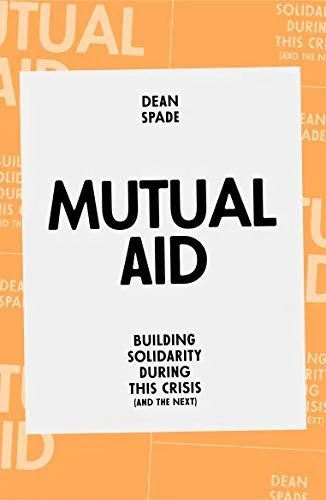
Mutual Aid — Dean Spade
A short, practical guide to starting and sustaining mutual aid groups: how to share resources, make decisions together and avoid burnout. A natural next step after browsing our Directory.
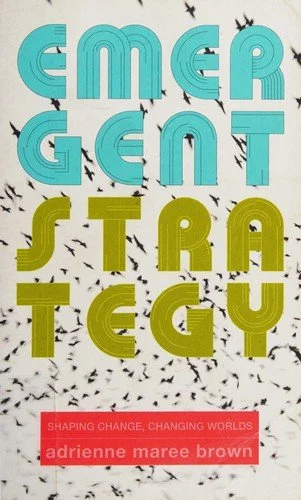
Emergent Strategy — adrienne maree brown
Lessons from nature on building resilient, adaptable communities and movements. For anyone who wants to create change without burning out.
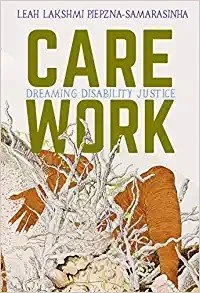
Care Work — Leah Lakshmi Piepzna-Samarasinha
Essays on disability justice and collective care: how communities can show up for each other when systems fall short.